
Chapter 13 Bankruptcy Trustee
Struggling with large amounts of debts?
Perhaps we can help!
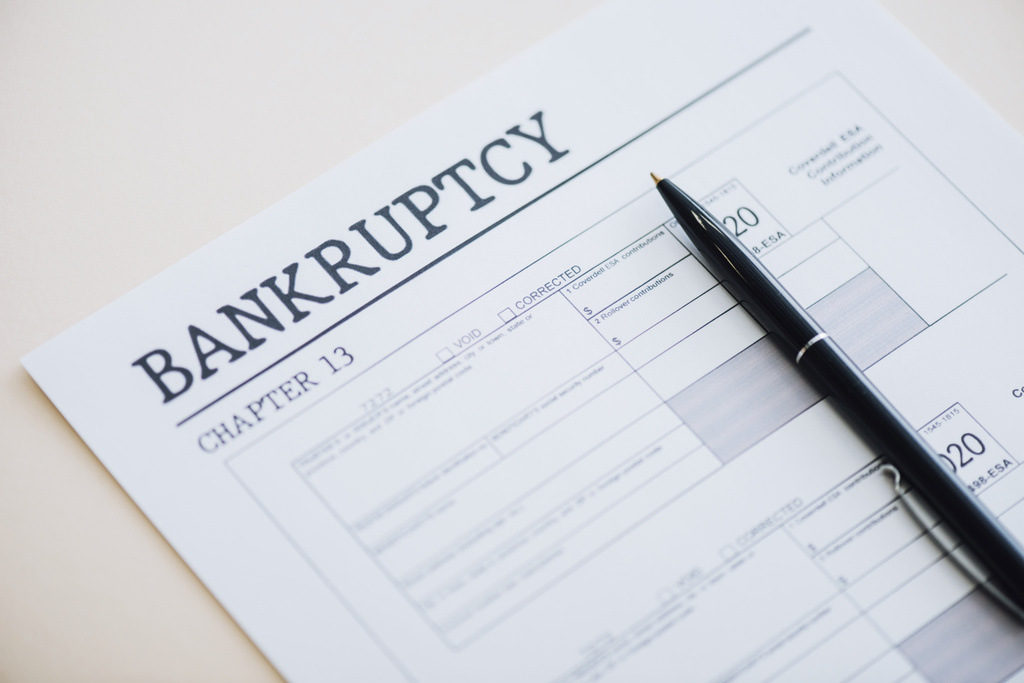
If you earn a regular income but still find yourself struggling with large amounts of debt, you may be able to find substantial financial relief and protection from creditors by filing for Chapter 13 bankruptcy.
Chapter 13 bankruptcy is sometimes referred to as a “wage earner plan” since it allows individuals who have regular income to create long-term plans to repay some or all of their outstanding debts.
When you file for Chapter 13 bankruptcy, you submit a repayment plan to the court that involves installment payments made to creditors over a period of no longer than five years.
During this time, a Chapter 13 bankruptcy trustee is appointed to your case. The trustee has several important responsibilities, including disbursing money you pay to the plan, appearing at hearings on confirmation, appearing at hearings on plan modification and appearing at hearings on the valuation of property.
At Sasser Law Firm, our North Carolina bankruptcy lawyers understand the challenges and advantages of Chapter 13 bankruptcy. We have more than over 25 years of experience exclusively handling all types of bankruptcy cases. We have significant experience in filing chapter 13 cases, confirming plans and getting cases to completion.
We offer free, confidential, no-obligation consultations. Contact us to get started with your initial case review today.
What Does a Chapter 13 Trustee Do?
When you file a petition for Chapter 13 bankruptcy in North Carolina, the court will appoint a bankruptcy trustee as an administrator for your case. In all other states other than North Carolina and Alabama, the trustee is appointed by the U.S. Department of Justice.
The Chapter 13 Trustee will act as a representative of the bankruptcy estate during bankruptcy proceedings. Chapter 13 trustees are responsible for disbursing payments to creditors. The Chapter 13 trustee is also has the standing to be heard with regards to plan confirmation, plan modification and the value of property.
In this way, a Chapter 13 bankruptcy plan has some similarities to a consolidation loan since you make payments to the trustee, and the trustee pays toward debts. One big difference is that in chapter 13, debts are often (but not always) discounted. And that discount, depending on the facts, can be very significant.
Under Chapter 13 bankruptcy protection, you have no direct contact with creditors because all communication with creditors is handled by your attorney and the trustee.
Trustees have several important duties during the life of a Chapter 13 bankruptcy plan, including:
- Reviewing your Chapter 13 petition and repayment plan – When you file a Chapter 13 bankruptcy petition, you must include a repayment plan that outlines how you intend to repay some or all of your outstanding debts. The trustee must evaluate your repayment plan to determine if he or she should support or oppose confirmation. The trustee is also responsible for reviewing your financial information from provided tax returns, pay stubs, and bank statements to evaluate whether the values included in your petition are accurate.
- Presiding over the Chapter 13 meeting of creditors – Anyone who files for Chapter 13 bankruptcy is required to attend a meeting of creditors. This meeting is also referred to as a 341 meeting because it is required by Section 341 of the U.S. Bankruptcy Code. Your 341 meeting will take place approximately one month after you file for bankruptcy. The Bankruptcy Administrator presides at the 341 meeting of creditors but this task is often delegated to the Chapter 13 trustee. At this meeting of creditors, you will be placed under oath, and the parties in the case (i.e. trustee and possibly creditors) will ask questions about the information included in your bankruptcy petition and your plan.
Creditor participation at 341 meetings is not common but is possible.
- Attending your bankruptcy confirmation hearing – The Chapter 13 bankruptcy trustee will attend the bankruptcy confirmation hearing, during which a judge will consider your repayment plan and either confirm or reject it. The trustee will inform the judge of their opinion about whether the plan is confirmed. In the Eastern District of North Carolina it is not necessary for a debtor to attend a confirmation hearing that is uncontested. If the trustee or one of your creditors raises an objection to the confirmation of your repayment plan, they will notify the court seven days prior to the confirmation hearing. If there are any objections, you will have time to present evidence and/or make legal arguments in support of your plan. If plan confirmation is denied, you will generally be given another chance to confirm a plan.
- Administering your Chapter 13 bankruptcy repayment plan – The plan payments commence the month following when the case is filed. This is true even though there has been no hearing and the plan has yet to confirm. The trustee will retain the funds you pay them until the court confirms the plan, and they can begin distributing the money to creditors under the terms of the plan. Chapter 13 bankruptcy plans take three to five years to complete. During those three to five years, you will continue sending payments to the trustee, who will disburse them to creditors according to the plan. The trustee is required to evaluate any proof of claim forms filed by creditors and keep a record of all the funds they receive and pay to creditors. The debtor also has standing to object to proofs of claim.
- Reviewing claims from creditors – Any creditors who wish to receive funds from your Chapter 13 repayment plan must first file a proof of claim with the court. Non-governmental creditors must file proof of claim within 70 days of the date you file for bankruptcy. Proof of claim filings specify the amount of money creditors claim you owe them and include documentation, such as contracts or agreements. The Chapter 13 trustee evaluates these creditor claims as they are received and may object to claims that are filed improperly or without appropriate documentation.
There are multiple logistic ways to pay the Chapter 13 bankruptcy plan including but not limited to checks, online payment portal and payroll deduction.
Chapter 13 Trustee Fees and How they are compensated
In some bankruptcy proceedings, debtors sell off their assets, use the funds to pay off their creditors, and give a portion of those funds to the trustee in the form of a commission. However, since Chapter 13 bankruptcy involves the reorganization of debts to avoid having to sell off property, Chapter 13 trustees are not paid from sales proceeds.
Instead, Chapter 13 trustees receive a portion of the funds you pay to them as part of your monthly repayment plan. This means that you do not need to make separate payments to cover your trustee’s fees during Chapter 13 bankruptcy. Simply pay the trustee according to the approved monthly repayment plan, and they’ll take care of the rest.
A trustee’s compensation for administering a Chapter 13 bankruptcy case is limited by law to 10 percent of your monthly payments. In addition to accepting these fees as part of their salaries, trustees are expected to use the funds to cover case costs and any expenses associated with running their offices.
The yearly salary of a Chapter 13 trustee, minus any costs they incur, is limited to the maximum salary amount for federal government employees who earn Executive V level salaries plus benefits costs. As of January 2020, this salary cap was $160,100 before benefits.

The bankruptcy attorneys of Sasser Law Firm have represented thousands of chapter 13 debtors.
Our team is prepared to work with you even in the most complex and urgent situations. We have pursued favorable outcomes for clients with dire circumstances, such as imminent foreclosures and vehicle repossessions. The firm has represented chapter 13 debtors in multiple appeals to the US District Court and the Fourth Circuit Court of Appeals.
When you hire our firm, you will work directly with an attorney who can provide the advice and legal guidance you need to effectively pursue financial relief. You will not be passed off to a paralegal. You can expect honest, direct communication from our team at all times with no fine print or surprise fees.
Get Help from a Chapter 13 Bankruptcy Lawyer Now
We understand that filing for bankruptcy is a big decision. While it may be the best option for some, we know that it’s not right for everyone. That’s why we will never pressure you to file for Chapter 13 bankruptcy if you’re not ready. We only want what is best for you, and we are here to support you no matter what you decide.
To learn more about how Sasser Law Firm can help with your North Carolina Chapter 13 bankruptcy case, contact us today for a free initial consultation.